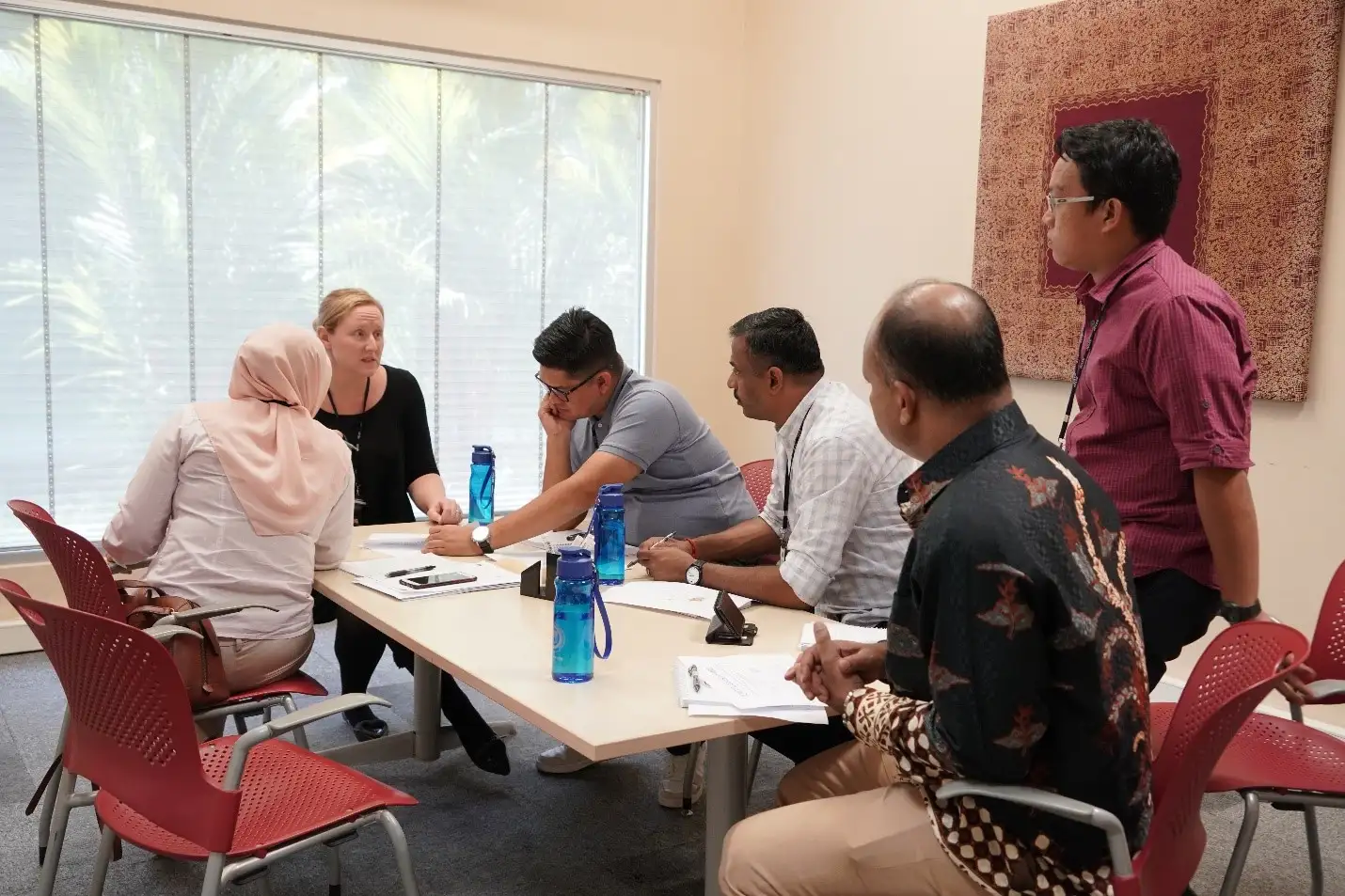
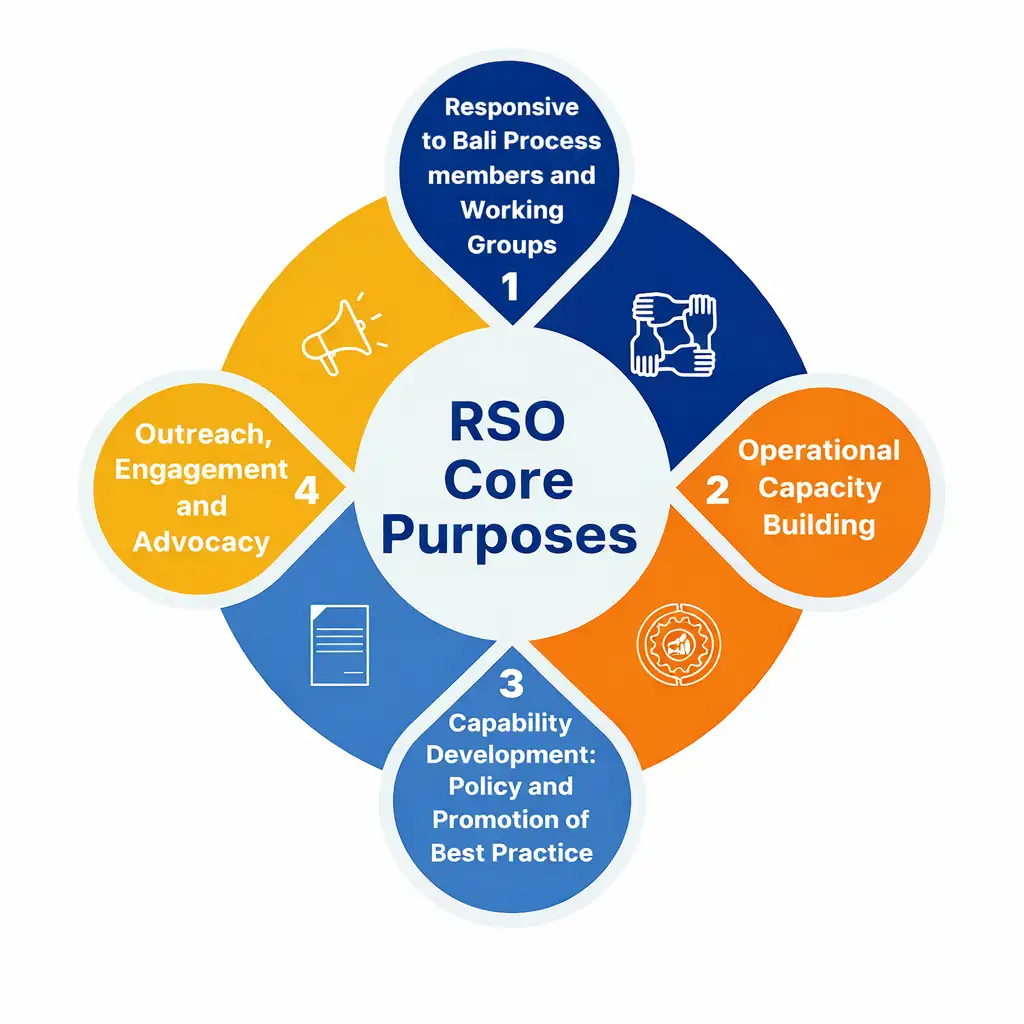
The Regional Support Office of the Bali Process (RSO) works to strengthen cooperation across Member States to translate ambitions into action and real-world impact – through knowledge transfer, capacity-building and the sharing of information and best practice.
The RSO welcomes collaboration and new project ideas from Member States, particularly from law enforcement officers, border and immigration officials, policymakers, judicial personnel, and counter-trafficking and migration practitioners. By prioritizing research and inquiry, the RSO helps Member States identify regional priorities related to irregular migration trends and develop strategies to strengthen regional awareness and expand the knowledge base.
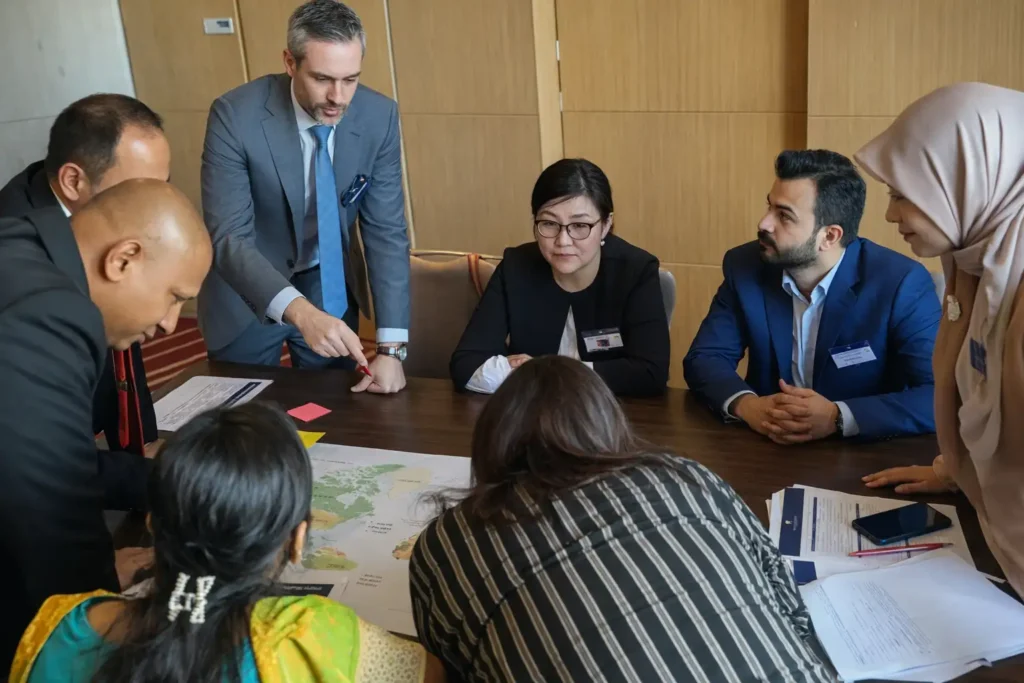
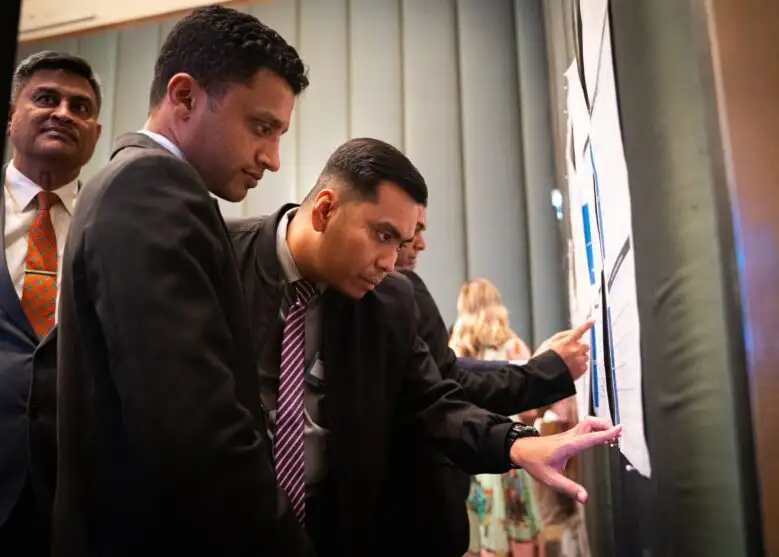
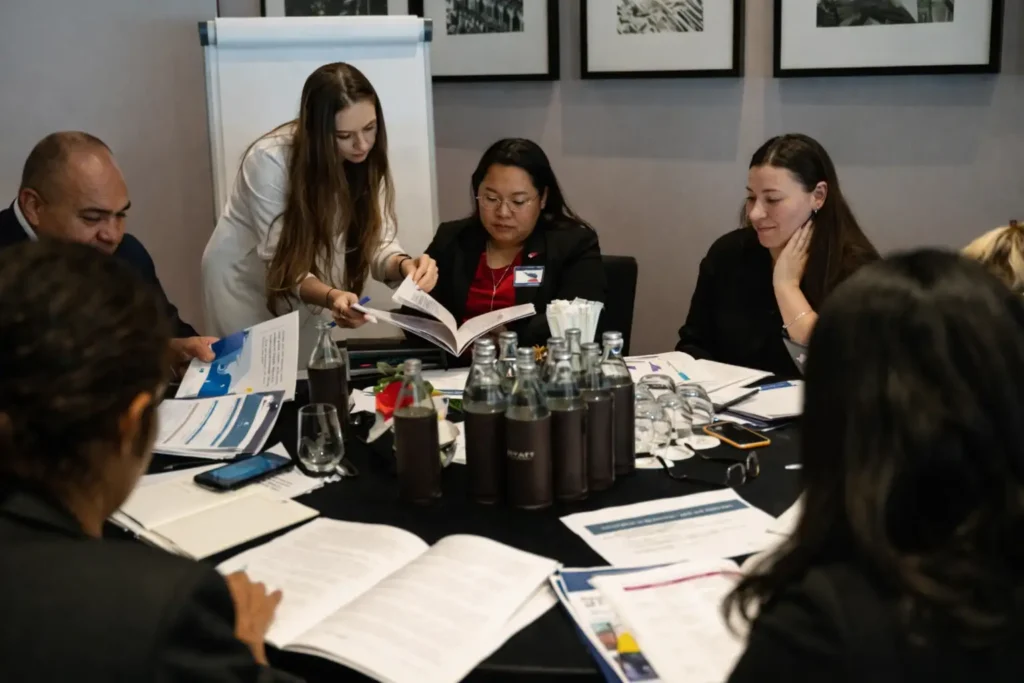
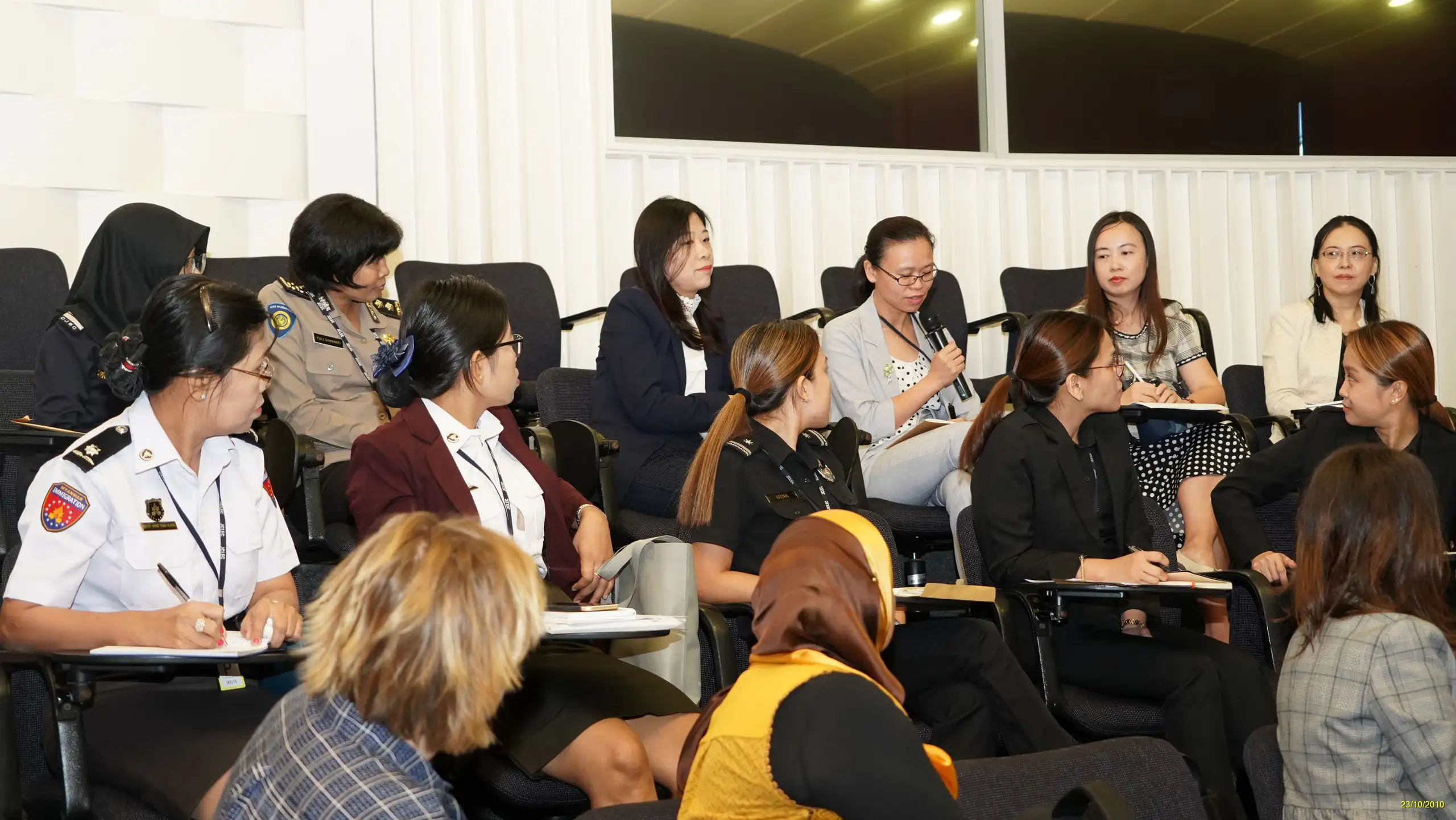
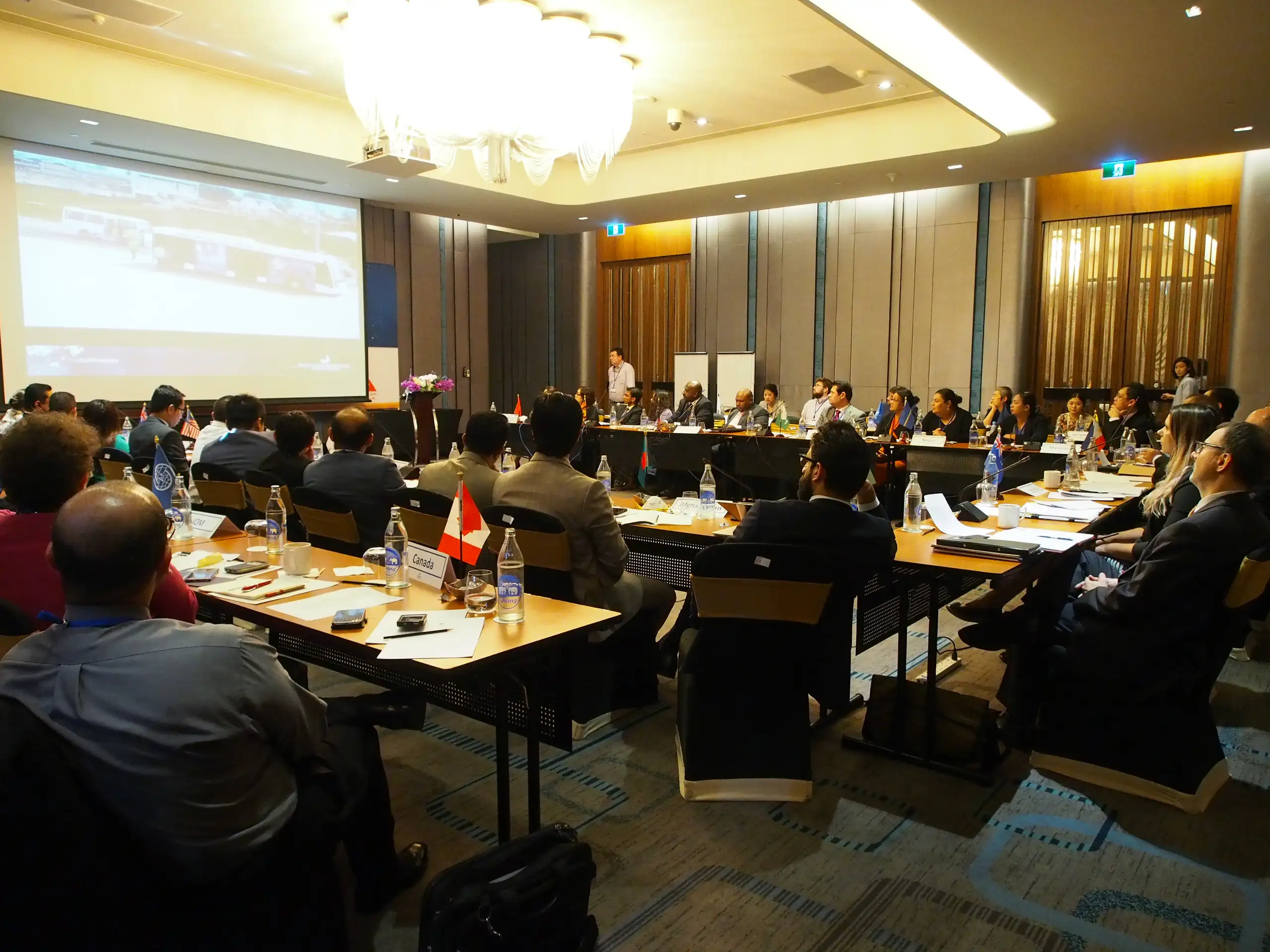
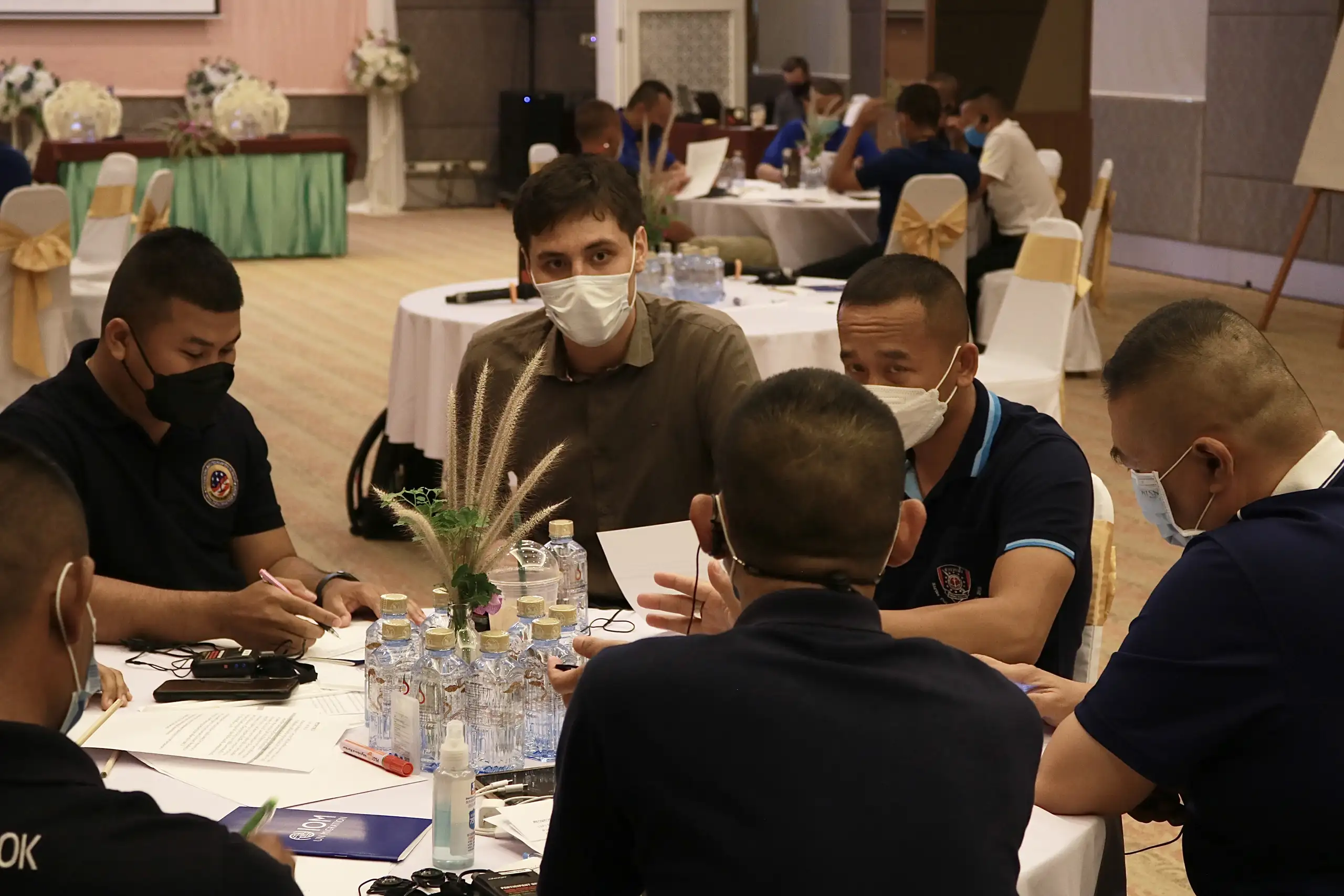
The RSO brings practitioners across Member States together through a regular programme of training activities, events, workshops and roundtables, designed to help Member States stay ahead of new and emerging issues and to work collaboratively to develop responses and solutions.
About the RSO
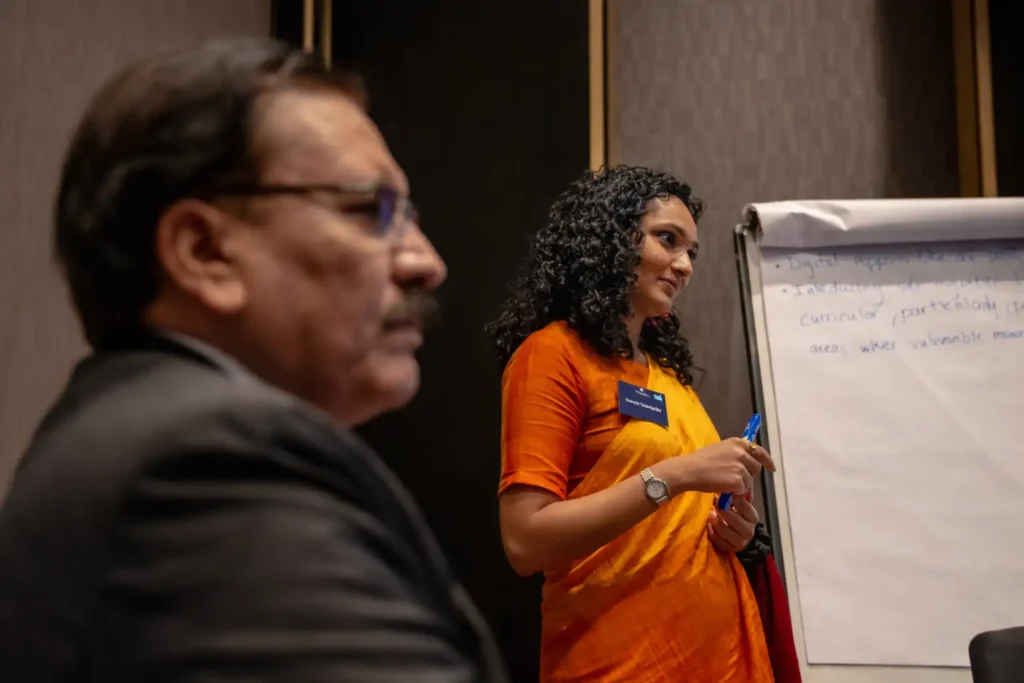
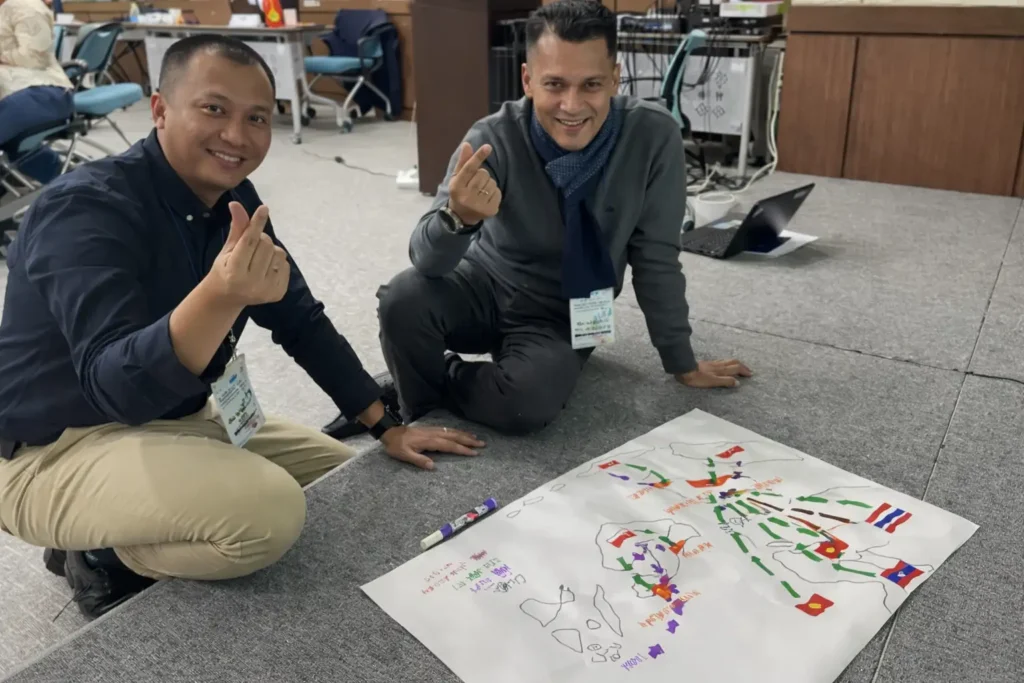
Capacity Development
The Regional Support Office (RSO) works with Bali Process Members to turn shared commitments into practical action and real-world impact. Through partnerships, policy development, knowledge exchange, operational capacity-building, training, and the sharing of best practice, the RSO supports effective regional responses to priority challenges.
The RSO brings Member States together through training programmes, research, policy briefs, workshops, and roundtables, strengthening dialogue, coordination, and evidence-based policy development across the Bali Process region.
The RSO welcomes suggestions for collaboration and ideas for new activities and projects from Member States – particularly from law enforcement officers, border and immigration officials, policy makers, judicial personnel and counter-trafficking and migration practitioners.
If you would like to partner with the RSO in any way, or to suggest new programmes of activity or support, please get in touch at info@rso.baliprocess.net.

Thematic Areas
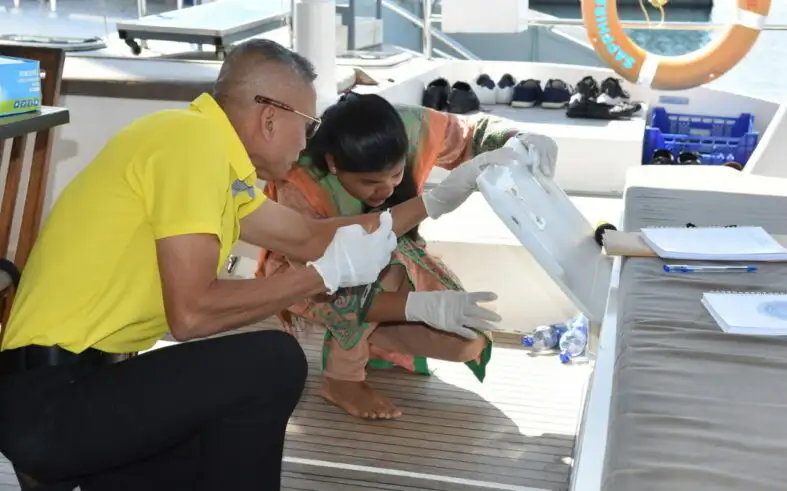
The Regional Support Office (RSO) brings together practitioners from across Bali Process Member States to strengthen responses to people smuggling, trafficking in persons, and related transnational crime. Through training, workshops, events, and roundtables, the RSO supports improved border and migration management and enhances protection for vulnerable people, promoting a whole-of-government approach under the Bali Process.
Working closely with Member States and Bali Process Working Groups, the RSO develops practical resources, including guides, policy papers, thematic briefs, and training materials. It also fosters regional collaboration by welcoming ideas and proposals from Member States, stakeholders, and practitioners.
Governance, Monitoring and Evaluation
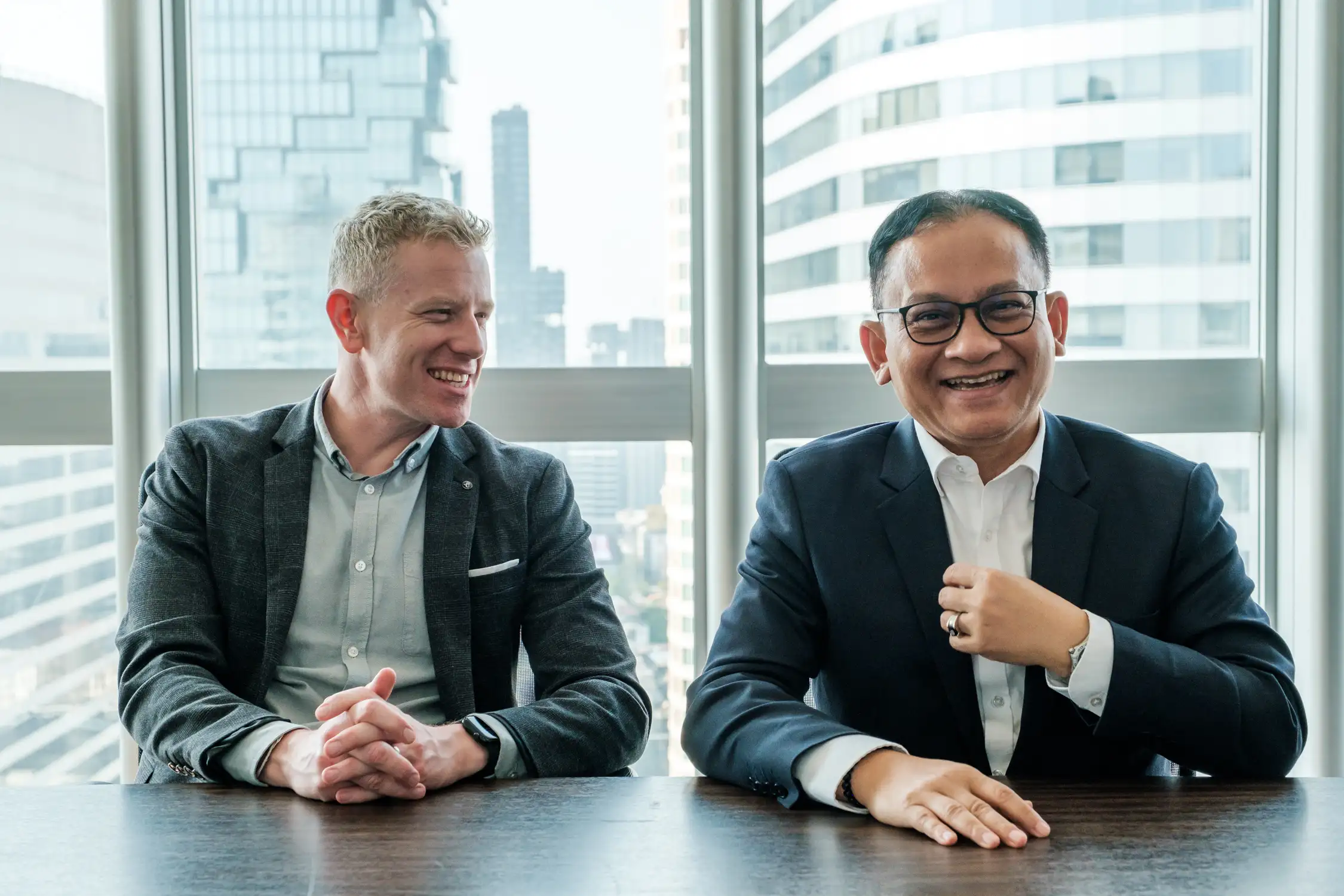
The RSO operates with strategic guidance from the Bali Process Senior Official Co-Chairs, and Senior Officials in the Governments of Australia and Indonesia. Day to day operations are overseen by two RSO Co-Managers from the Australian and Indonesian Governments.
The RSO applies a continuous cycle of monitoring, evaluation, and learning through a formal reporting framework. This approach clarifies objectives, gathers critical data to assess effectiveness, and tracks progress toward impact goals. By measuring outcomes and capturing lessons learned, the RSO ensures openness, accountability, and meaningful progress across its activities.
To maintain transparency and engagement, the RSO publishes a Biannual Strategic Plan and Work Plan, an Annual Impact Report, Monthly Reports, a quarterly newsletter, and a six-monthly narrative finance report. The RSO Co-Managers also report twice a year to the Bali Process Co-Chairs and provide updates to the Steering Group, Ad Hoc Group, and the full Bali Process membership at Senior Officials’ Meetings and Ministerial Conferences.
Operational Capacity Building and Training
The Regional Support Office (RSO) works with Bali Process Member States to strengthen coordinated regional responses to trafficking in persons and people smuggling.
Through training, research, policy support, and regional collaboration, the RSO supports governments and practitioners to turn knowledge into action. All activities are guided by a victim-centred and gender-sensitive approach.
RSO programmes build practical, operational capacity to investigate and prosecute cases, protect victims and vulnerable groups, and achieve sustainable, long-term impact. The Capability Development Approach integrates education, operational training, and institutional support, connecting policy, research, and practice to drive meaningful change.
The RSO also fosters ongoing collaboration through its Alumni Network, partnerships with law enforcement and regional organisations, and the use of Return to Work Action Plans that help translate training into measurable results.
To deliver its work, the RSO partners with a range of delivery partners, including law enforcement agencies across the Bali Process membership, Bali Process Member and Observer Organisations, and regional partners.
Work with the RSO
Engage with the RSO
The RSO welcomes expressions of interest and proposals from Bali Process Members and regional partners working to address trafficking in persons, people smuggling, and related transnational crime. Opportunities for engagement include collaboration on new or existing initiatives, the proposal of bilateral, multilateral, or regional projects, the provision of direct funding or in-kind support, and the secondment of government or non-government officials for project-based work. Bali Process Member States are invited to submit proposals by contacting the RSO, with all proposals considered by the RSO Co-Managers in consultation with key stakeholders.
Array
RSO Networks
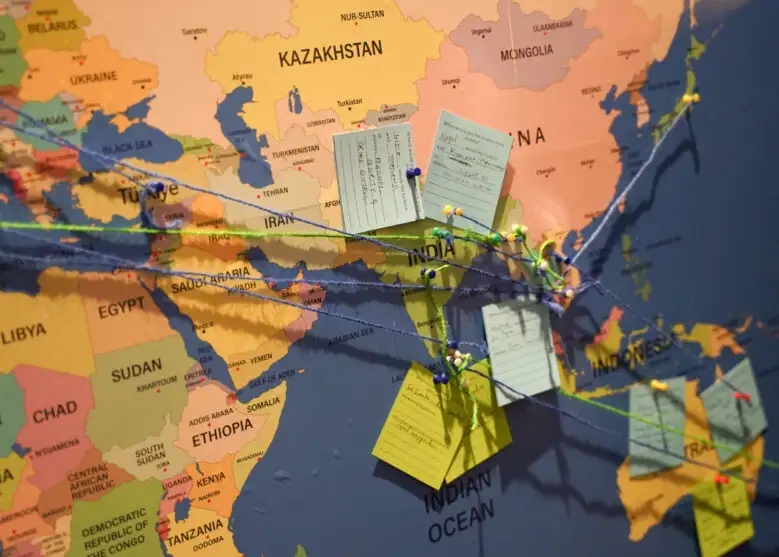
RSO networks promote dialogue, collaboration, and efficient coordination, including connecting members through the Alumni Network, supporting cross-border information sharing, and aligning resources and efforts among donors and regional actors.
Array
RILON
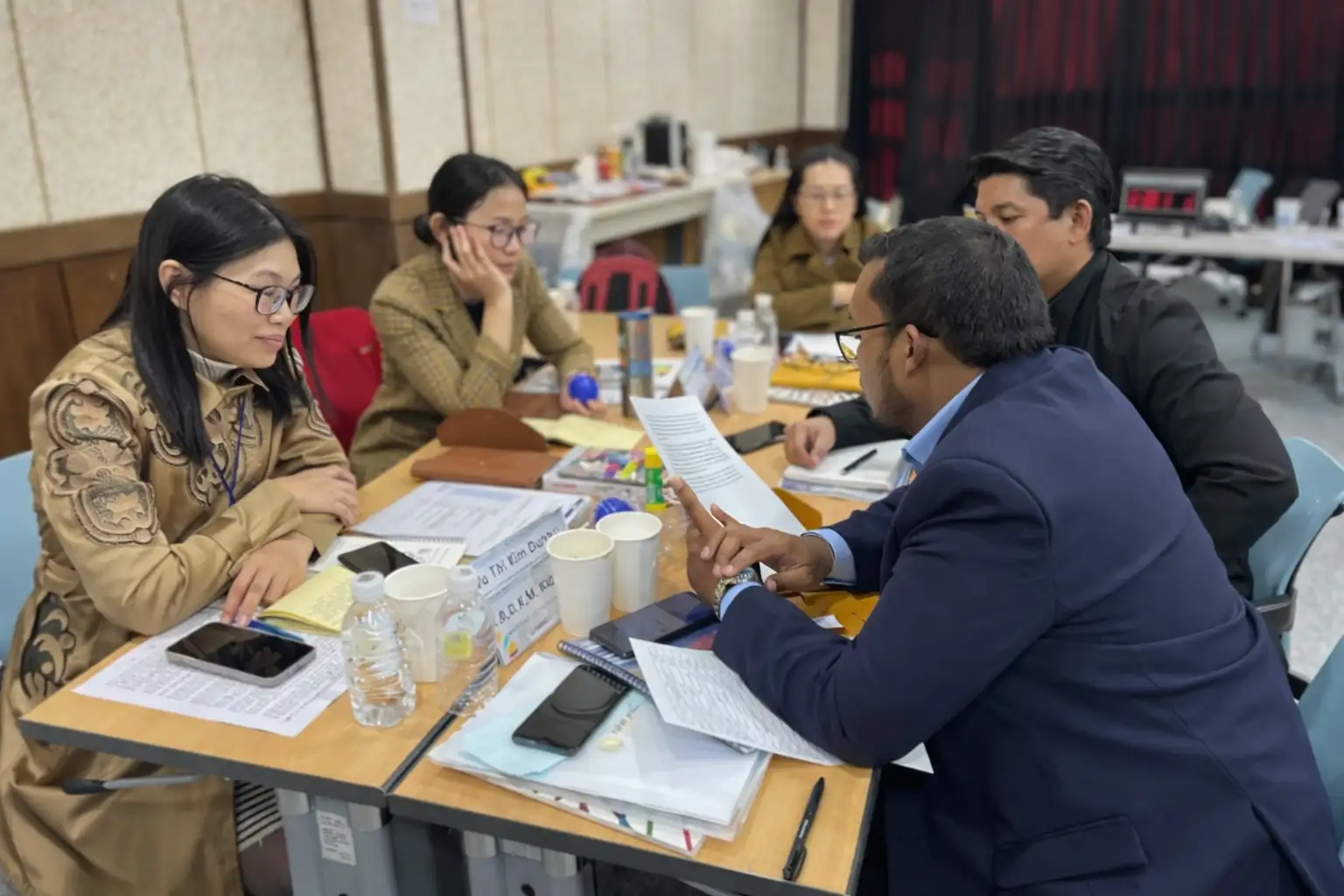
The Regional Information, Liaison and Outreach Network Initiative (RILON) supports cross-border cooperation among Bali Process Member States by connecting focal points from law enforcement, border and immigration, maritime, and other relevant agencies to address priority regional challenges. Through time-limited RILON Response Groups, agencies coordinate and share non-operationally sensitive information, enabling practical collaboration, informed decision-making, and stronger regional responses.
Array
Secondments to the RSO
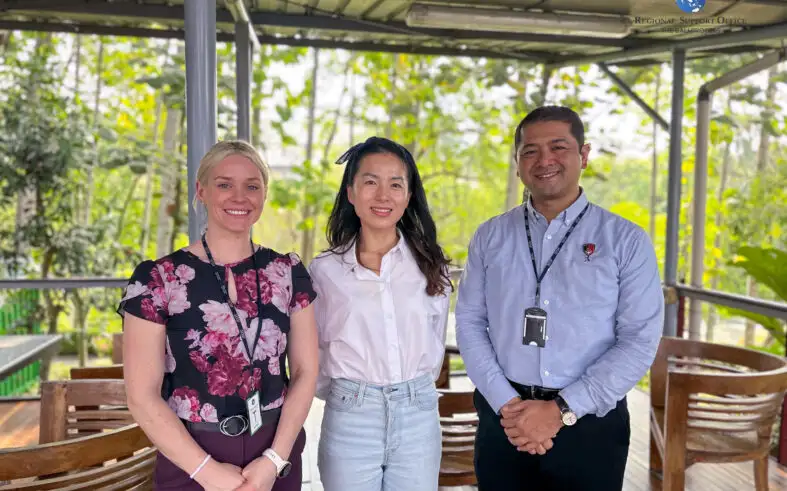
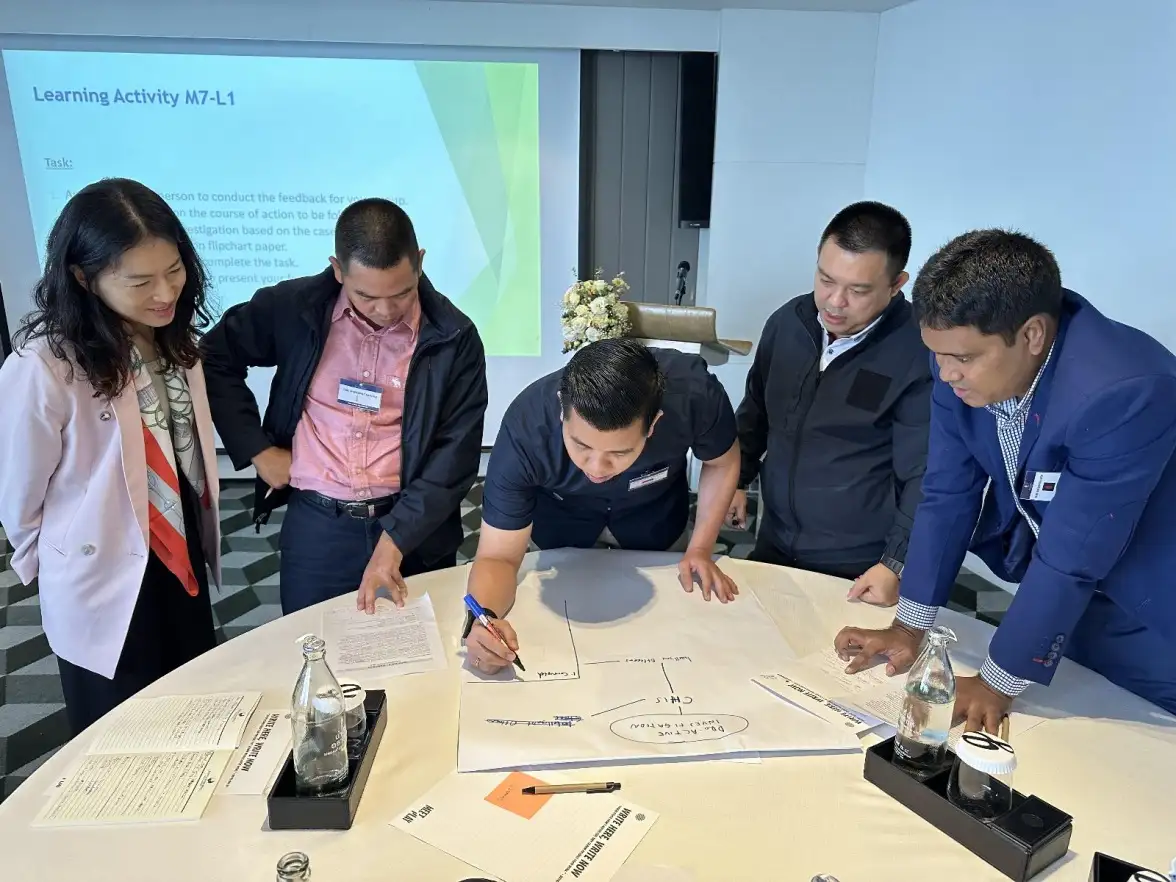
The RSO Secondment Programme supports the hosting of officials from Bali Process Member States in a four to six month placement in the RSO offices in Bangkok, Thailand to work on a project or programme.
Array
Submit a proposal
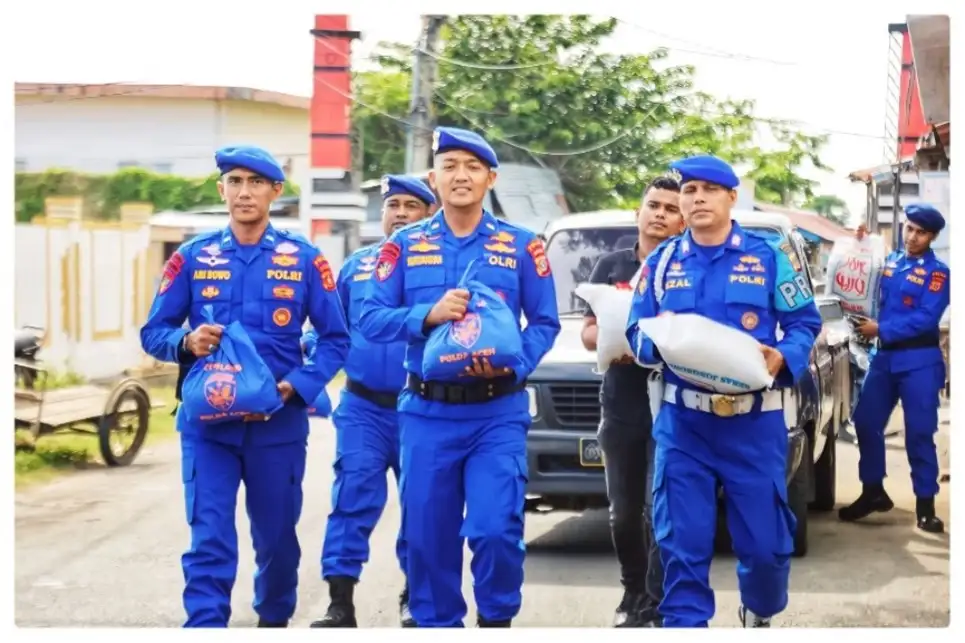
The RSO welcomes ideas and proposals for collaboration from across the Bali Process membership and wider stakeholders and practitioners.
Array
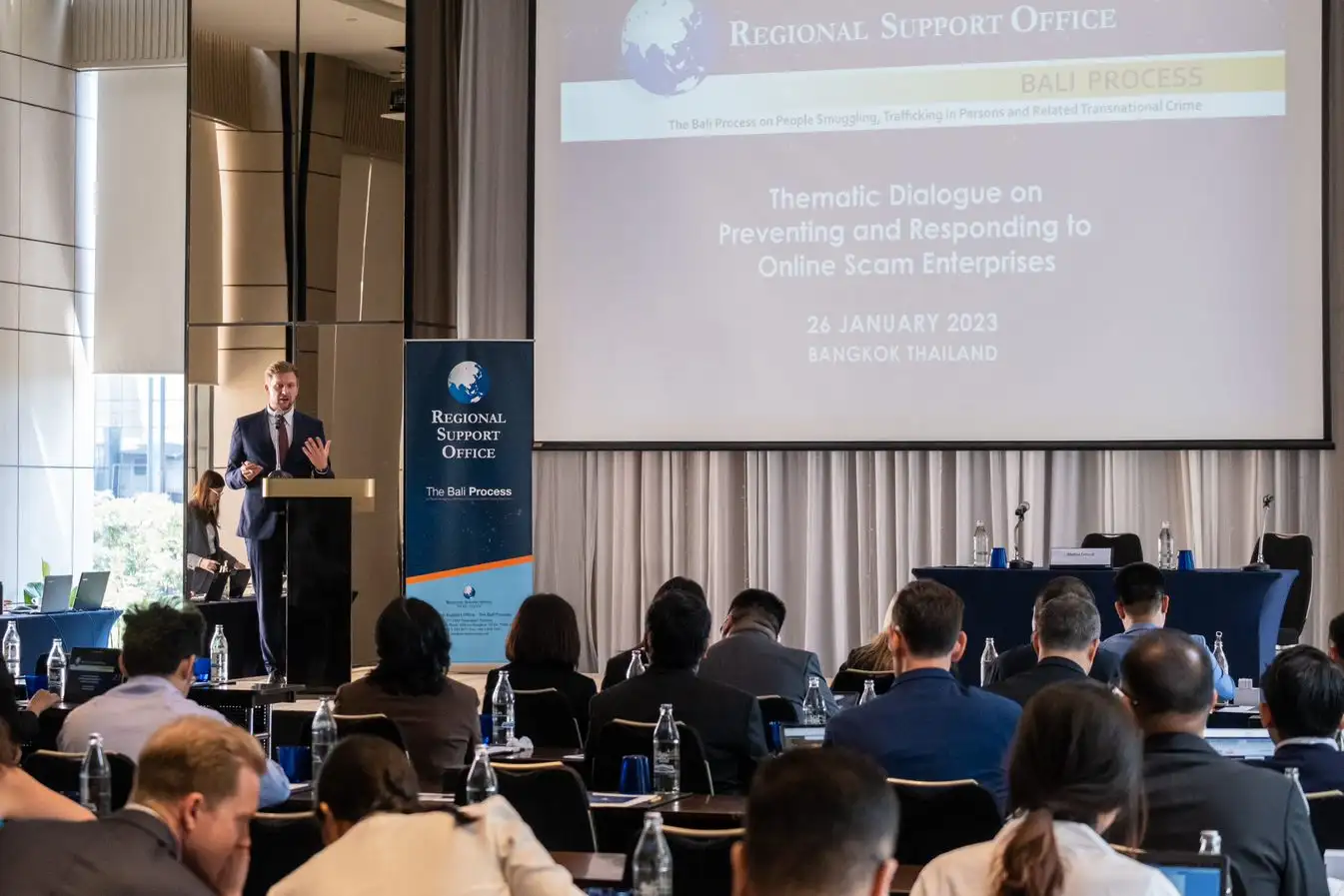
RSO Flagship Events
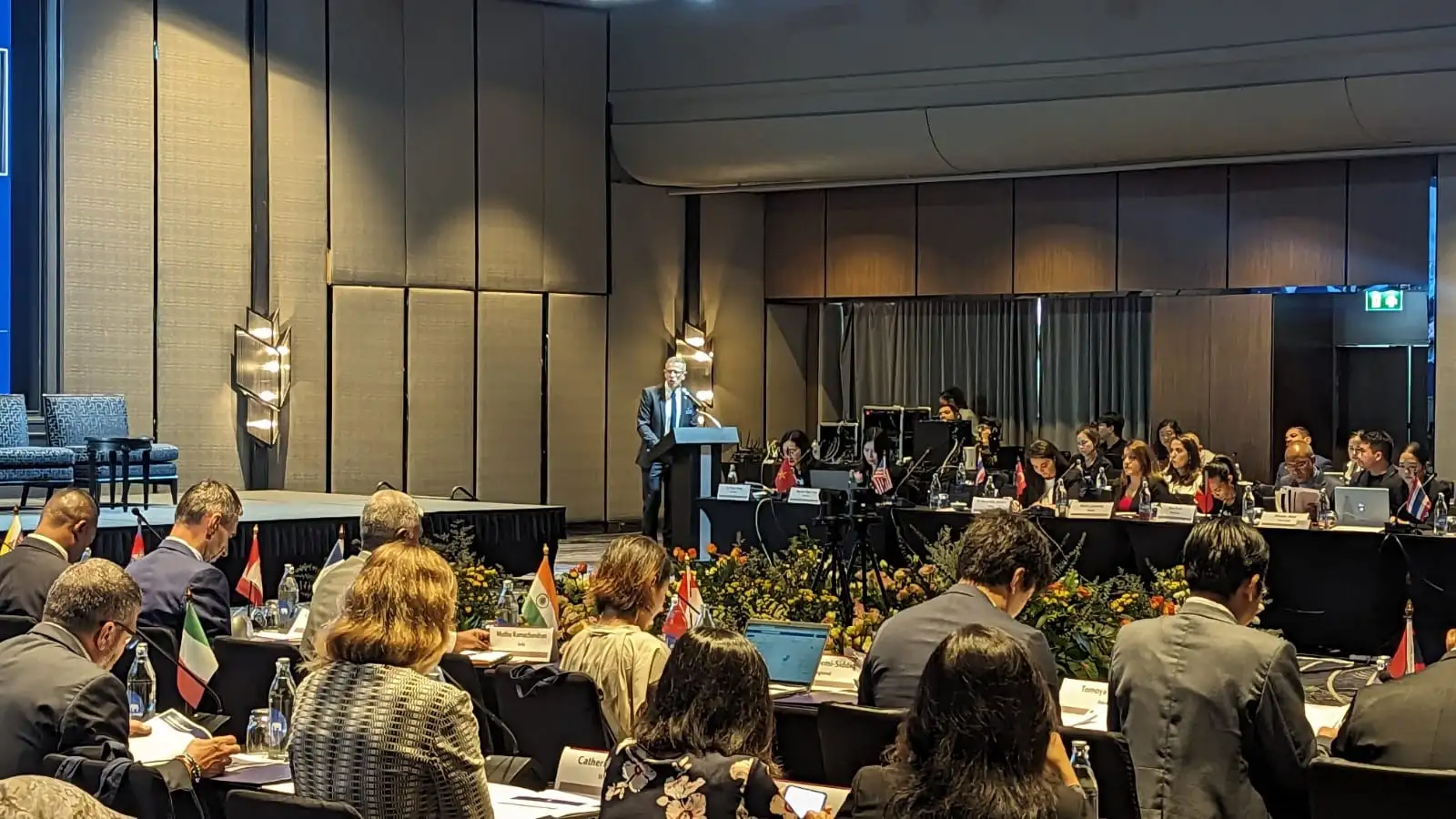
The RSO holds a series of flagship events to bring together the Bali Process membership to support ongoing dialogue, connections and sharing of knowledge and expertise.
Array